

Commercial Hood Cleaning in Port St. Lucie, FL
Grease never stays where you cook it. St Lucie Hood Cleaning clears the full path it travels: hood, baffle filters, plenum, ductwork, and the upblast fan on your roof, all the way down to the metal. We serve restaurants, food trucks, and institutional kitchens across Port St. Lucie and the Treasure Coast. Every job is documented to NFPA 96, the national fire code for kitchen exhaust, so you are ready for the inspector and your insurer. Request a free quote. We will give you a clear breakdown and a cleaning schedule built around how you actually cook.


Port St. Lucie's Hood Cleaning Company
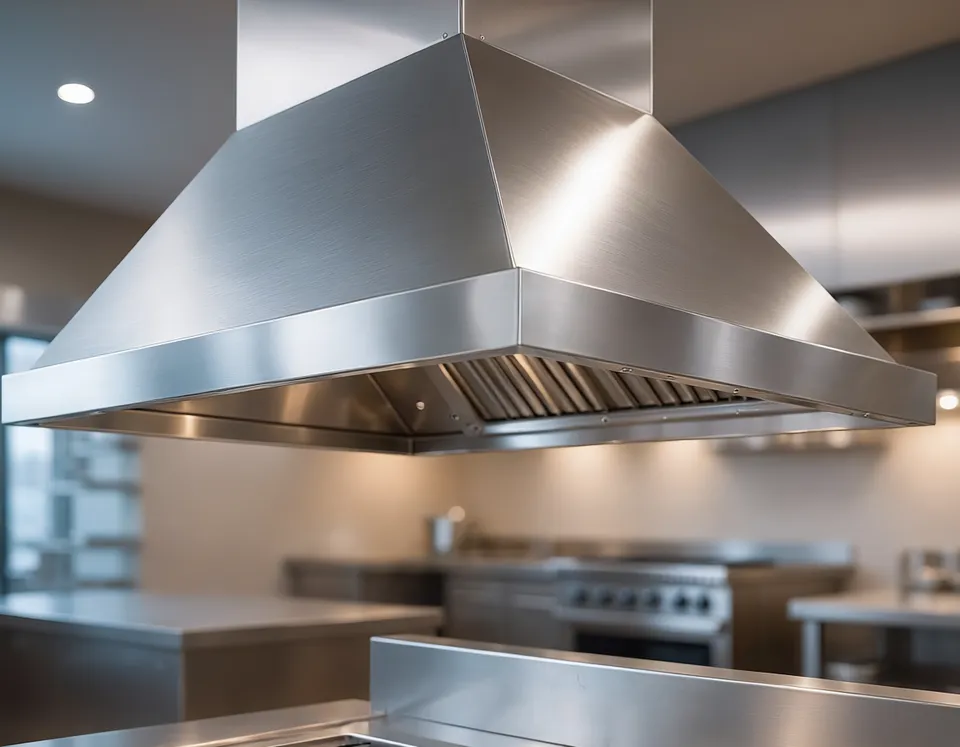
We clean kitchen exhaust for restaurants, food trucks, bars, schools, hospitals, hotels, country clubs, and institutional kitchens across the Treasure Coast. The whole grease path comes clean: hood, filters, plenum, ductwork, and the exhaust fan on your roof, scraped down to the metal. We measure buildup with a grease gauge and document the work to code. Your kitchen stays safe and ready for inspection.
Commercial Kitchen Hood Cleaning
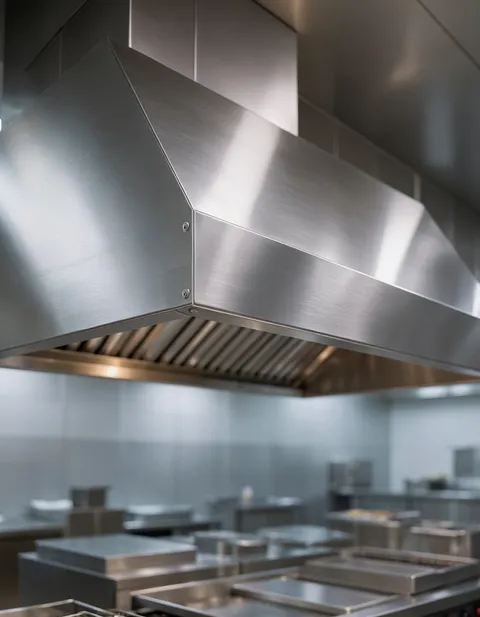
A complete fire-code cleaning of your hood, filters, ductwork, and exhaust fan. Scraped to the metal and documented for the inspector and your insurer.
Exhaust Fan Cleaning
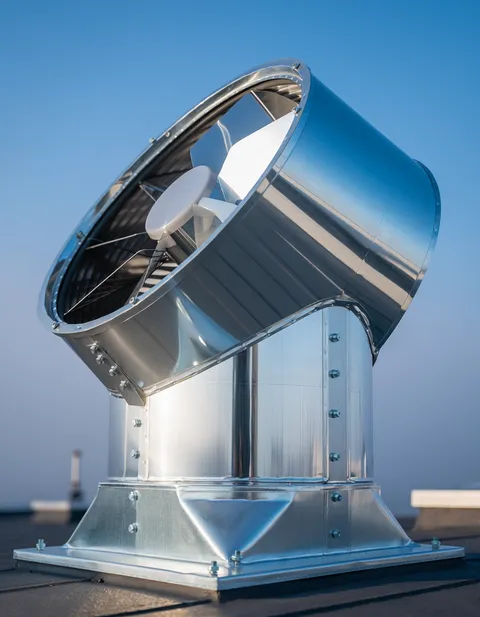
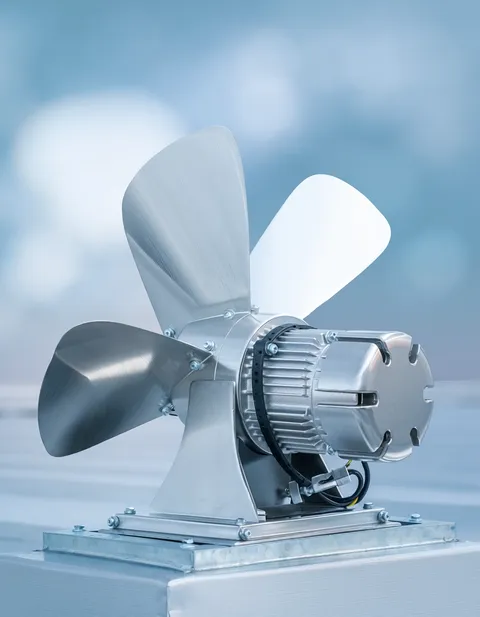
Service for the upblast fan on your roof. We hot-wash the blades and housing, check the belt and bearings, and add a hinge kit so your kitchen keeps pulling air.
Duct Cleaning
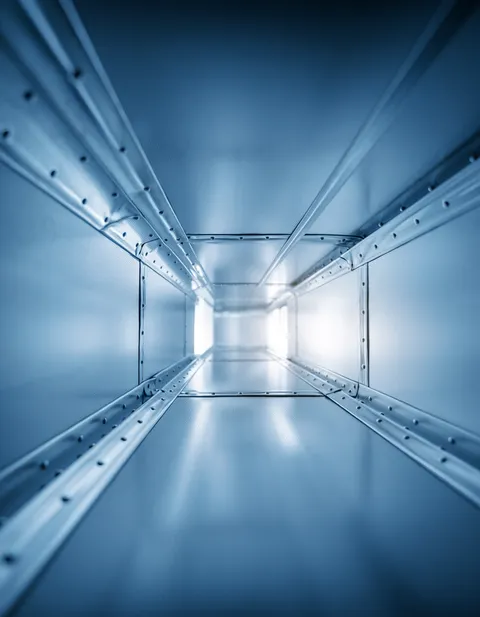
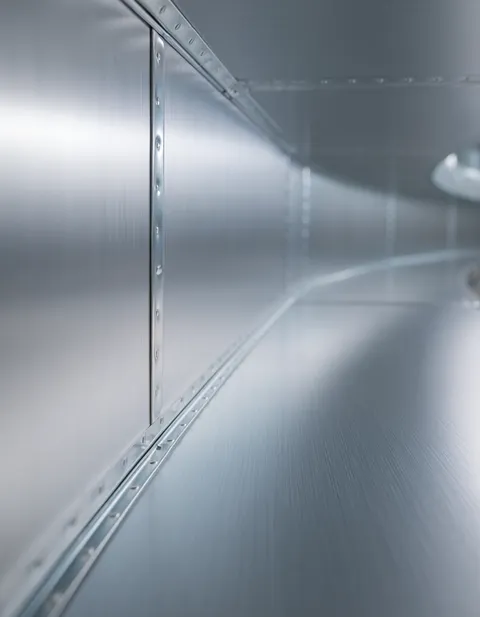
Hidden grease fires start in the ductwork. We scrape the vertical and horizontal runs clean to the metal and add access panels where ducts are sealed.
Rooftop Grease Containment
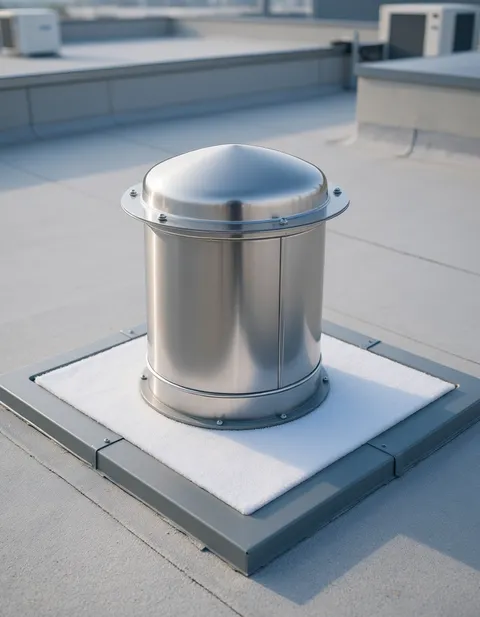
We install and maintain grease boxes and absorbent pads around your fan so runoff never stains your roof, voids the warranty, or fails a code check.
Filter Exchange
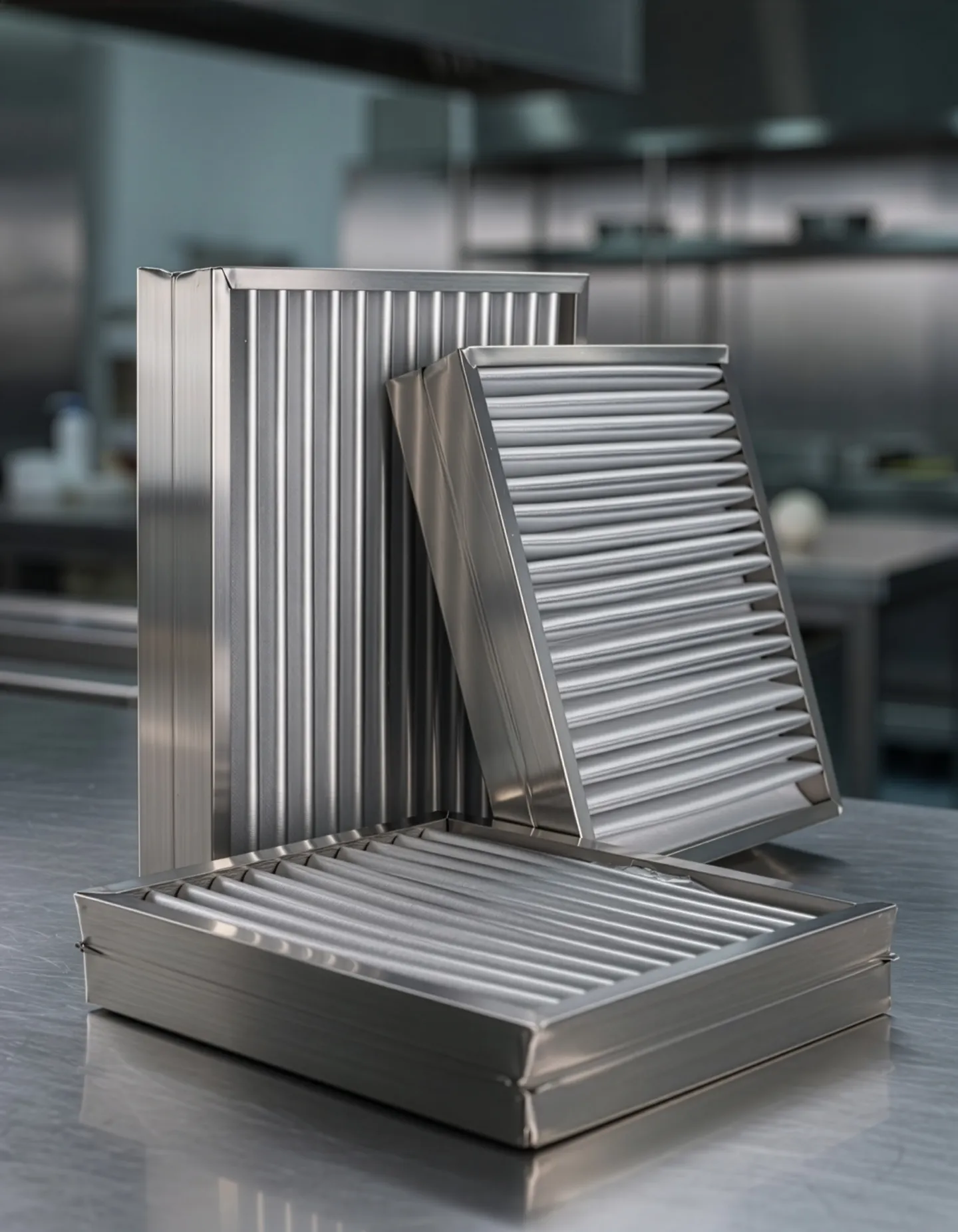
We swap grease-loaded baffle filters for clean UL 1046-listed ones on a set schedule. Airflow stays strong and fire risk stays down between full cleanings.
Emergency Grease Removal
Got flagged? We deliver fast-response hood cleaning plus the compliance documentation you need to clear a fire-marshal or health-inspector violation and reopen quickly.

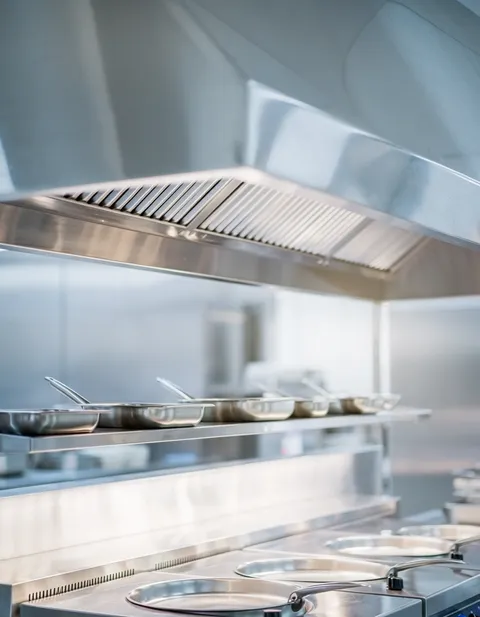
Built Around Compliance & Fire Safety
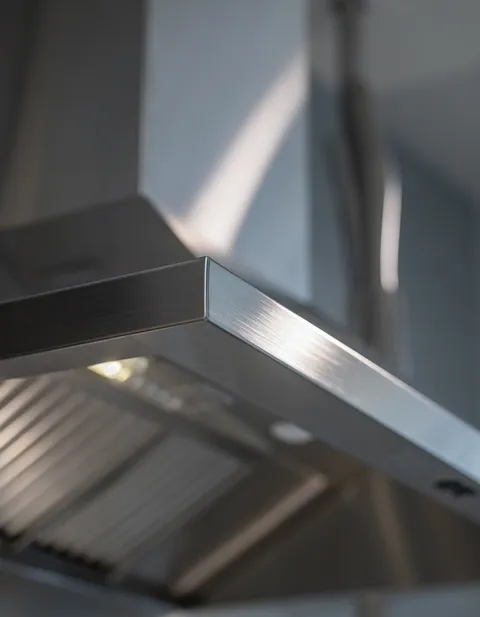
A surface wipe looks clean. It still fails an inspection. We clean the full system down to the metal, measure grease depth with a gauge against the code thresholds, and document the work, so your kitchen is ready for the inspector and your insurer.
- Cleaned to Bare Metal: Our technicians scrape and hot-wash the hood, plenum, ductwork, and roof fan until the metal shows. That is what NFPA 96 requires, and what an inspector checks for. A surface wipe leaves grease in the ducts, where fires start.
- Documentation You Can Show: Each job is logged with before-and-after photos and the grease-depth readings an inspector or insurer can ask for. Your fire-safety record lives on paper, where it counts.
- Dated Service Sticker: We post the signed, dated decal the fire district looks for, showing exactly when your exhaust system was last cleaned to code.
- Up-Front Pricing: You get a firm quote based on your system size, grease load, and fan access before we start. No surprise add-ons. No padded hours.

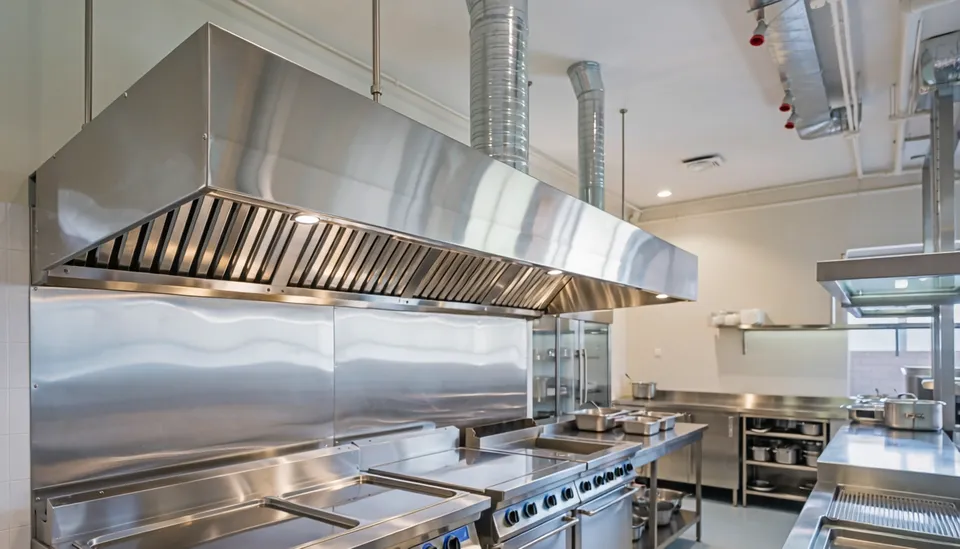
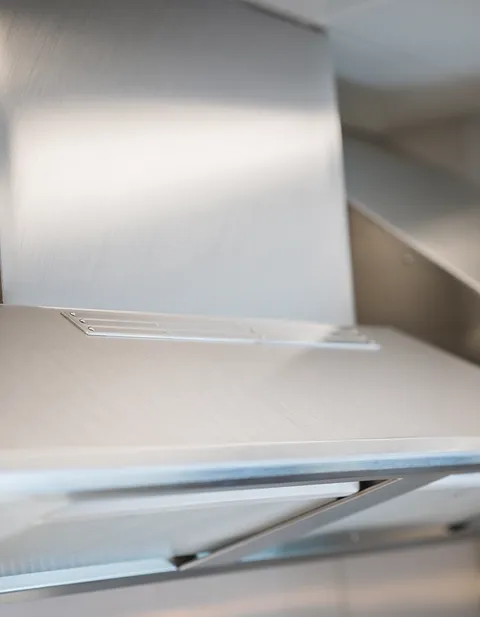
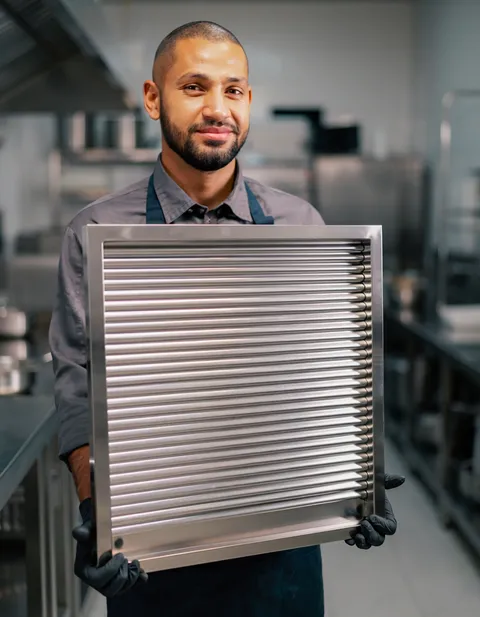
Commercial Kitchen Hood Cleaning
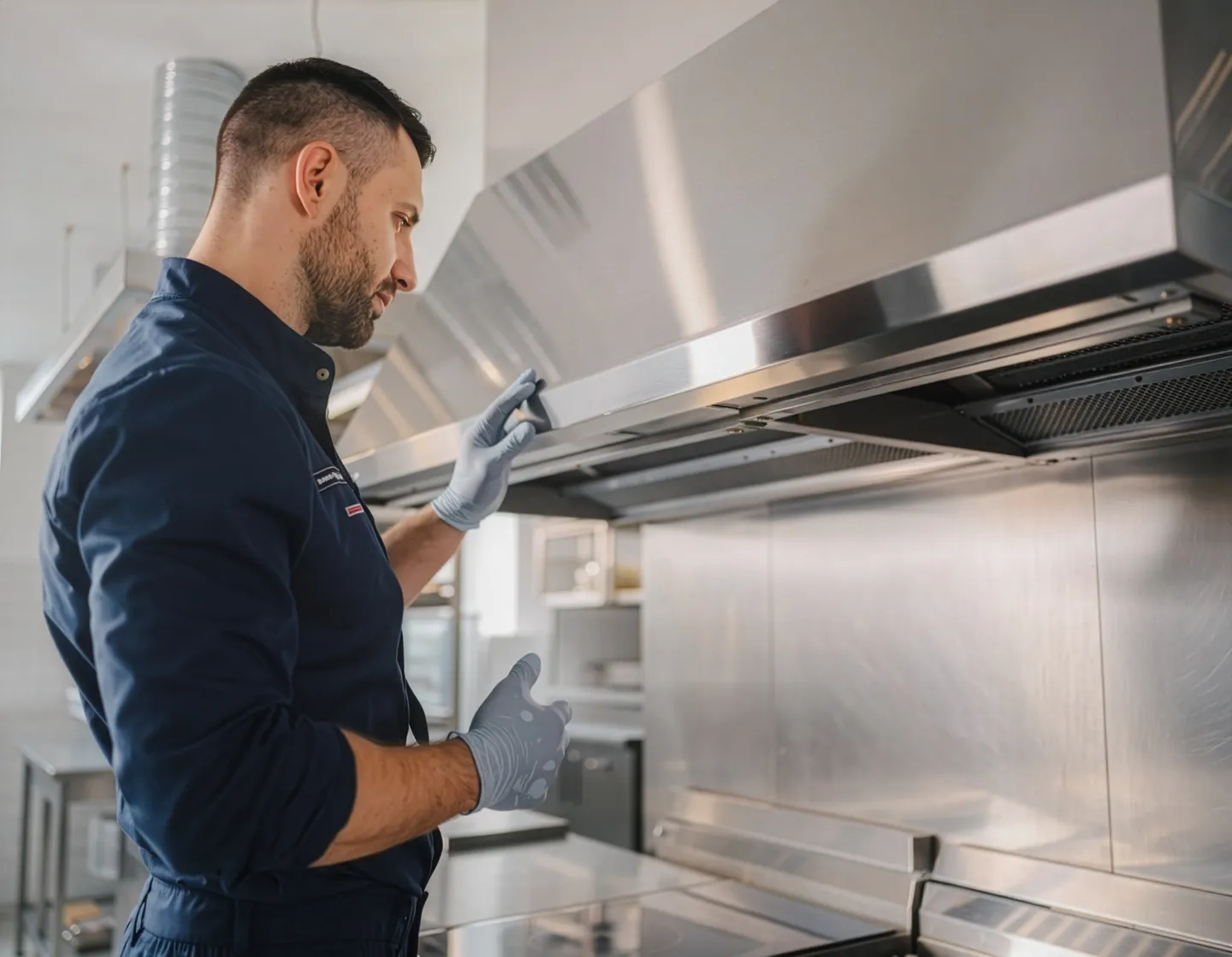
A complete cleaning to code. We take every section grease travels through down to the metal: hood, plenum, ductwork, and the fan on your roof. Each step is documented for the inspector and your insurer.
- Full Grease-Path Cleaning: Hood canopy, baffle filters, plenum, vertical and horizontal ductwork, and the upblast fan. We clean every section grease travels through in a single trip.
- Grease Depth Measured to Code: We gauge buildup against the NFPA 96 depth thresholds that trigger a required cleaning, starting at the paper-thin 0.002 in on the primary grease path. You clean on evidence, not guesswork.
- Before & After Photo Report: A photo record of each access point proves the system was scraped to the metal. Keep it for your files and your insurer.
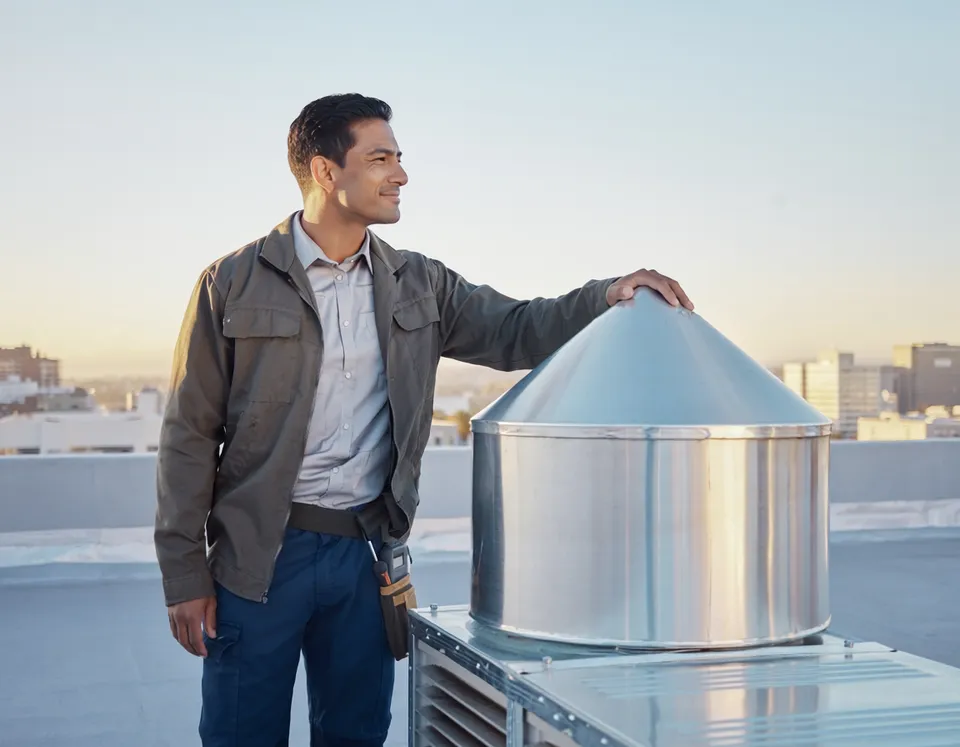
Exhaust Fan Cleaning
The upblast fan on your roof pulls air through your whole system. We hot-wash the blades and housing, check belt tension, and add the hinge kit or access opening the code requires so the unit can be cleaned to code.
- Blades & Housing Hot-Washed: We hinge the fan back and degrease it blade by blade. It pulls air the way your line needs and stops slinging grease across your roof.
- Belt Tension Checked: We check the fan belt for wear and proper tension while the fan is open. It is the cheap fix that prevents a stalled fan and a smoke-filled kitchen.
- Hinge Kit / Access Installed: Where a fan or duct has no service access, we add a hinge kit or access panel so the system can actually be cleaned to code the next time around.
About St Lucie Hood Cleaning
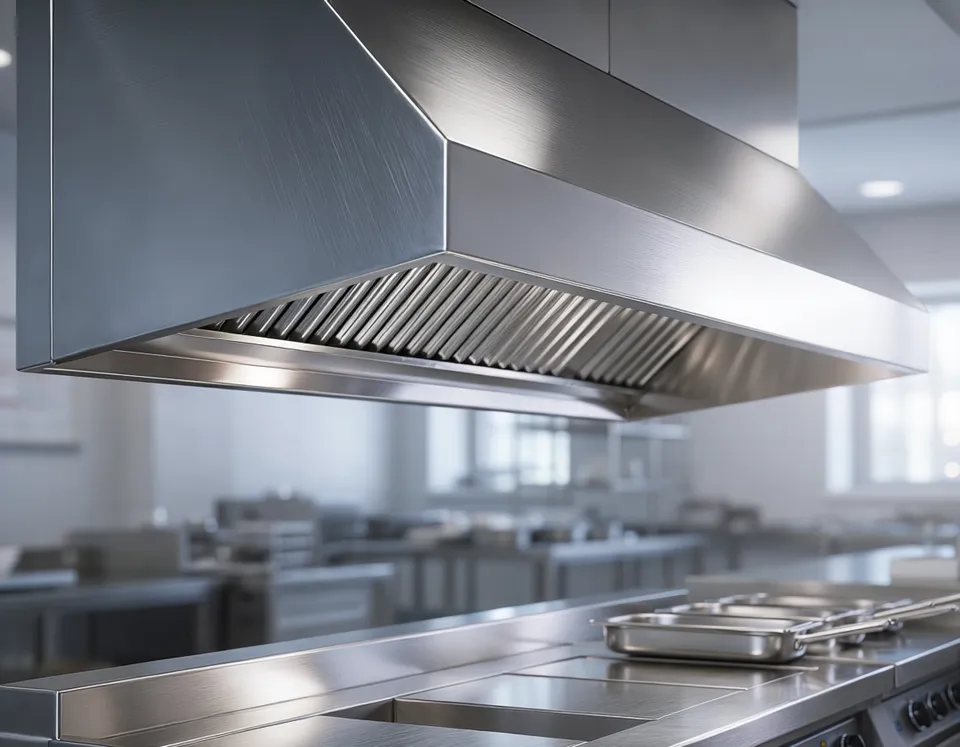
St Lucie Hood Cleaning is a commercial kitchen exhaust company serving restaurants, food trucks, and institutional kitchens across Port St. Lucie and the Treasure Coast. We clean every section grease travels through to the standard inspectors enforce. We document the work, so kitchen owners have the fire-safety records they need on file.
Our Mission: To keep Treasure Coast kitchens safe and ready for inspection by removing the grease that fuels kitchen fires. We remove it completely, down to the metal, and document each job.
Our Goals: To be the hood cleaning company Port St. Lucie restaurants schedule once and keep. That means consistent cleaning intervals, up-front pricing, and paperwork that clears an inspection without a scramble.
- 500+ Kitchens Serviced
- 15+ Years of Experience
- 10 Cities Served

Our Commitment to Fire-Code Compliance

Cleaned to Bare Metal
We scrape and hot-wash the hood, plenum, ducts, and fan down to the metal. That is a full clean, not a surface wipe, and it is the benchmark an inspection is measured against.

Full Compliance Documentation
Each job comes with a written report, before-and-after photos, and a dated service sticker. These are the records the fire district, health inspector, and insurer expect to see.

Coastal & Storm-Ready
Salt air off the Indian River Lagoon corrodes roof-mounted fans faster here, so we check belts, bearings, and grease containment to keep your system storm-season ready.

Up-Front Pricing
We quote by your system size, grease load, and fan access. You get an itemized number with no surprises, and a cleaning schedule built around how you actually cook.
What Our Customers Say
We keep restaurants and kitchens across the Treasure Coast clean, compliant, and inspection-ready. Here is what kitchen owners say about our work.
Always professional. I love that they take pictures of their work, and the service is always prompt.
Marcus Delgado Owner, Port St. LucieMade my vents and oven look new again. Great service, and trustworthy.
Renee Caldwell Kitchen Manager, StuartIf you’re a restaurant owner or manager, use St Lucie Hood Cleaning for your kitchen exhaust systems. High-quality work at reasonable prices!
Tony Marchetti Restaurant Owner, Fort Pierce

Frequently Asked Questions
It depends on how hard you cook. NFPA 96, the national fire code for kitchen exhaust, sets the minimum intervals by cooking volume: monthly for solid-fuel cooking like wood and charcoal; quarterly for high-volume frying, charbroiling, wok lines, and 24-hour kitchens; semi-annually for moderate-volume sit-down restaurants; and annually for low-volume or seasonal kitchens. Our humid, grease-tacky climate pushes many Port St. Lucie kitchens toward more frequent cleaning, and the St. Lucie County Fire District can require shorter intervals based on what an inspector finds.
Yes. We provide free, no-obligation quotes. Contact us and we will assess your system size, grease load, and fan access, then give you a clear breakdown.
Every accessible surface inside the hood, plenum, and ductwork is scraped and hot-washed down to the metal. We do not wipe it to look clean. It is a full clean, not a surface wipe, and it removes the grease that fuels fires. We measure depth with a grease gauge against the code thresholds (0.002 in on the primary grease path), open access panels to reach the hidden duct runs, and hot-wash the fan blades and housing so no part of the system is skipped.
Not much. We handle the preparation. It helps to schedule the cleaning for after your line shuts down so the equipment is cool and out of service, and to clear easy access to the cook line and the roof. Our crew covers and protects your cooking equipment before applying any degreaser, removes and soaks the filters, and works top-down so grease drips out and away from your line rather than onto it. We leave the kitchen wiped down and the filters reinstalled and securely mounted.
Every job comes with the records the fire district, health inspector, and insurance carrier expect to see. We affix a dated service sticker to the hood, take before-and-after photos, and deliver a written report that notes any areas we could not access so they can be opened up. Keep this packet in your maintenance log. It proves the work during an inspection or audit and clears a violation the fastest. Under the code, responsibility for a clean system rests with the kitchen owner, so certified cleanings on file protect you directly.
Most code-compliant hood cleanings start around a $400 to $600 minimum, and the final price scales with the size of your exhaust system, how heavy the grease load is, and how easy the fan on your roof is to reach. A small single-hood cafe sits at the low end; a multi-hood restaurant or institutional kitchen costs more. There is no flat "one price fits all" for a real cleaning, so we give a firm, no-obligation number after we see your system. Request a free quote and we will break down exactly what is included.
A real cleaning takes the whole system down to the metal, including the parts you cannot see. We scrape and hot-wash the hood canopy, pull and soak the baffle filters, open the plenum and access panels, clean the vertical and horizontal ductwork, hinge back and degrease the upblast fan, and clean or replace the grease containment on your roof. Each job ends with a written photo report and a dated service sticker. See the full commercial kitchen hood cleaning process.
We clean commercial kitchens across Port St. Lucie, Tradition, St. Lucie West, Fort Pierce, Jensen Beach, Stuart, Palm City, Hobe Sound, Vero Beach, and Lakewood Park. Browse all of our service areas to find your city.
Most single-hood kitchens take two to four hours. Larger multi-hood or institutional systems take longer. We schedule around your hours, overnight or early morning, so the cleaning never interrupts a service.
Yes. If a fire marshal or health inspector has flagged your kitchen, we offer fast-response cleaning plus the documentation you need to clear the violation. Tell us what the inspector wrote up and we will prioritize your kitchen.
Our climate works against your exhaust system. Long, humid summers and more than 50 inches of rain a year keep grease tacky and speed up buildup, while salt air off the Indian River Lagoon corrodes the fan housing and hardware on your roof that already run hot. Many kitchens here need cleaning more often than the national minimums, and the St. Lucie County Fire District can require shorter intervals based on what an inspector finds.
Ready to Get Your Kitchen Inspection-Ready?
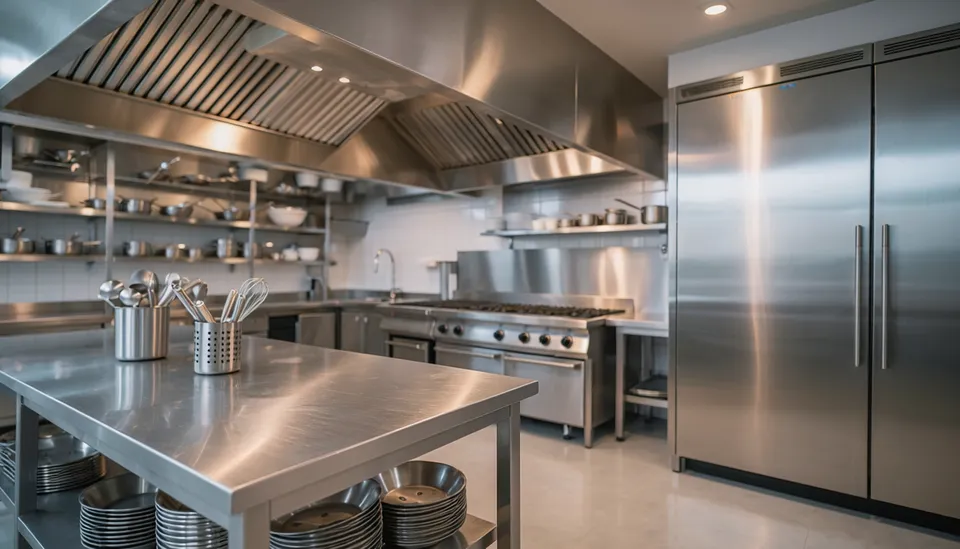
Kitchen exhaust systems fuel nearly a third of all restaurant fires. Almost every one is preventable with regular cleaning. Whether you run a single restaurant, a food truck, or a multi-hood institutional kitchen, we will clean your full system down to the metal and hand you the documentation the inspector and your insurer expect.
Get A Quote