

Hotel & Institutional Kitchen Cleaning in Port St. Lucie, FL
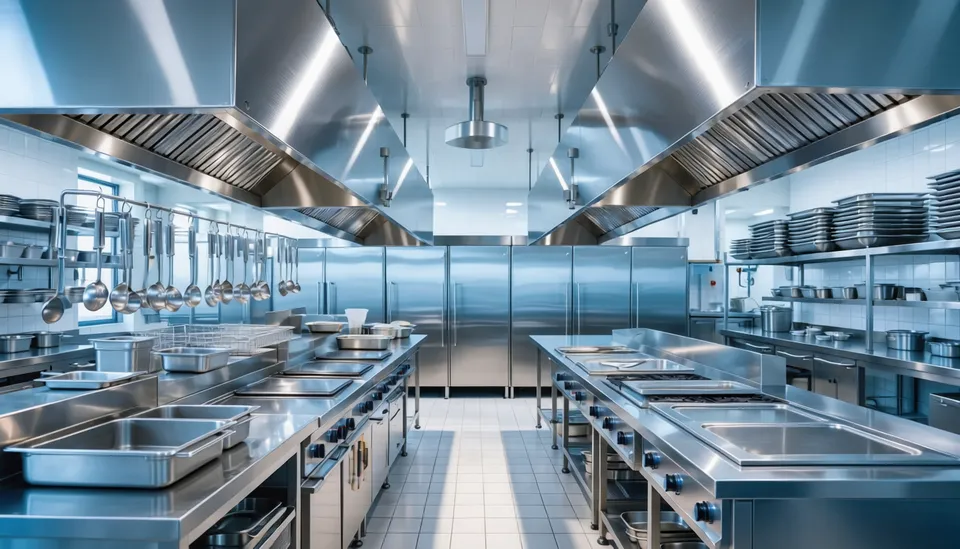
A hotel banquet kitchen, a hospital cafeteria, a school district's central kitchen, an assisted-living dining hall. These aren't single-hood operations. They run multiple hoods over several cook lines, long duct runs threaded through the building, and a row of rooftop fans, and they cook at a volume that loads all of it with grease quickly. Every one of those systems is its own fire-code obligation, and an inspector or insurance auditor expects to see each one cleaned and documented. St Lucie Hood Cleaning handles that full scope for hotels, hospitals, schools, and assisted-living facilities across Port St. Lucie. We clean to bare metal, survey system by system, and deliver the paperwork an enterprise facility needs.
Why Enterprise Kitchens Are a Different Job
Cleaning one restaurant hood is straightforward. Cleaning a facility is a logistics problem on top of a fire-code problem: more systems, more places for hidden grease, and far more documentation to keep straight. The things that make institutional work harder are exactly the things a quick cleaning skips:
- Multiple hoods and long duct runs: every added run and direction change is another stretch of hidden ductwork where grease quietly accumulates and exhaust fires start.
- High-volume cooking: feeding a hospital, hotel, or school district pushes shorter cleaning intervals than a slow sit-down restaurant ever sees.
- Heavy documentation demands: a compliance audit wants a record for every hood and fan, not one sticker for the whole building.
- Vulnerable populations: patients, students, and assisted-living residents raise the stakes on both fire safety and the sanitation side of a grease-loaded system.
Why the Certified-Person Requirement Matters Here
NFPA 96 §12.6.1 requires the cleaning be performed by a properly trained, qualified, and certified person acceptable to the authority having jurisdiction (the AHJ, your local fire official). For a facility, that requirement isn't a formality. IKECA, the International Kitchen Exhaust Cleaning Association, sets the credentials that satisfy it. They're among the most recognized cleaning credentials in the country:
- CECS (Certified Exhaust Cleaning Specialist). The cleaning credential AHJs recognize.
- CECI (Certified Exhaust Cleaning Inspector). For inspecting and verifying the work.
- CESI / CECT. Field-inspector and technician-level certifications across the crew.
Across a facility this size, credentialed work is what makes your documentation defensible when an auditor reviews dozens of systems at once.
How We Handle a Multi-System Facility
- Survey every hood, plenum, duct run, and rooftop fan across the facility before we start.
- Measure grease depth and confirm each run has the access the code requires: panels on the duct, a hinge kit or opening on every fan.
- Clean every line to bare metal: hood, plenum, full duct length, fan housing and blades, and the rooftop grease path.
- Add access panels where a long institutional duct run can't otherwise be reached.
- Deliver a written report per system that flags any inaccessible area, plus a dated sticker and before-and-after photos for each.
Coordinating Around a Facility That Never Stops
A hospital kitchen doesn't close, a hotel runs breakfast through late banquets, and a school kitchen has a hard window between the last tray and the next morning's prep. We schedule around your operation, working overnight, between meal services, or during a school break, so the dining program keeps running while we move through the systems. In Port St. Lucie that scheduling also accounts for our climate: long humid summers, 50-plus inches of rain a year keeping grease tacky, and salt air off the Indian River Lagoon that corrodes the rooftop fan hardware on every one of those units. Facility systems here often need attention more often than the national minimums.
Pricing for a facility is quoted per site, driven by the number of hoods and fans, total duct length, grease load, and how hard each line is to reach. A large institution runs well beyond the single-system $400 to $600 starting range, so we survey first and give you one clear number across the whole property. If a single location needs the standard service, that's our core commercial kitchen hood cleaning. Request a free quote and we'll walk the facility and build a cleaning program around every system you run.
Request a Free Quote

Hotel & Institutional Kitchen Cleaning FAQs
Yes. That's the core of this service. We survey every hood, plenum, duct run, and rooftop fan across the facility first, then clean each one to bare metal as its own system. Long institutional duct runs and rows of fans are exactly where hidden grease hides, so each gets cleaned and documented individually rather than treated as one job.
We work around your service, not the other way around. We clean overnight, between meal periods, or during a school break, so the dining program keeps running while we move through the systems. For a hospital kitchen that doesn't close or a hotel running breakfast through late banquets, we stage the work system by system so no single cook line is down longer than needed.
Each one. A compliance audit wants a record per hood and fan, not a single sticker for the whole property. We deliver a written report for every system, flagging any inaccessible area, plus a dated service sticker and before-and-after photos for each. An auditor reviewing dozens of systems at once finds a clean, defensible file.
NFPA 96 §12.6.1 requires the cleaning be done by a properly trained, qualified, and certified person acceptable to your local fire official (the AHJ). IKECA credentials, including CECS, CECI, and the field and technician certifications, are among the most recognized in the country and are what make your documentation hold up across many systems. For a facility, that credentialing is the difference between paperwork that passes an audit and paperwork that gets questioned.
The national fire code sets the interval by cooking volume. High-volume institutional kitchens feeding a hospital, hotel, or school district fall into the quarterly tier, sometimes monthly for the busiest lines. Our local climate adds to it: humid summers, heavy rain, and salt air off the Indian River Lagoon corrode rooftop fan hardware and keep grease tacky, so facility systems here often need attention more often than the national minimums.
Per site, after we walk it. Cost is driven by the number of hoods and fans, total duct length, grease load, and how hard each line is to reach. A large institution runs well beyond the single-system $400 to $600 starting range. We survey first and give you one clear number across the whole property. Request a free quote and we'll build a cleaning program around every system you run.