


Commercial Hood Cleaning in Lakewood Park, FL
Lakewood Park sits inland, several miles west of the Atlantic amid orange groves and pasture north of Fort Pierce. That location changes the threat. Out here the dominant problem is grease and humidity, not the rapid coastal salt corrosion that hits beachfront kitchens. Long, humid Treasure Coast summers and heavy rain keep grease tacky, so it builds up fast. The area's scattered roadside kitchens, from takeout and pizza to diners, convenience-store and gas-station delis, are easy to overlook until a fire-marshal visit. We meet that with thorough fire-code degreasing of the full exhaust system, and we put the emphasis where it belongs out here: scraping the hood, plenum, and ductwork back to bare metal.
Why Lakewood Park Kitchens Need an Inland Approach
A north-county hood cleaning is a different job than a beachfront one. Inland, the priorities shift toward thorough degreasing and staying on the inspection radar:
- Grease and humidity, not salt: well inland of the coast, Lakewood Park sees far less direct ocean salt spray than Fort Pierce or Vero Beach. The work centers on thorough degreasing and duct cleaning rather than fighting rapid coastal corrosion.
- Humidity-driven buildup: the muggy Treasure Coast air and heavy summer rain keep grease tacky. Even a lower-volume north-county kitchen can need cleaning more often than the owner expects.
- Easy-to-overlook roadside kitchens: the scattered takeout, diner, convenience-store, and gas-station-deli operators along Kings Highway, Emerson Ave, and US-1 fall fully under the fire code, even though this is a bedroom community rather than a restaurant district.
- One countywide inspector: Lakewood Park is unincorporated St. Lucie County, so the St. Lucie County Fire District holds a small north-county kitchen here to the same standard as a downtown restaurant. The same dated certificate has to be posted.
What an NFPA 96 Hood Cleaning Covers
NFPA 96 is the national fire-safety standard for commercial kitchen exhaust. It requires grease to be removed down to bare metal across the entire system, including the parts you cannot see. Our commercial kitchen hood cleaning reaches every section grease can travel through:
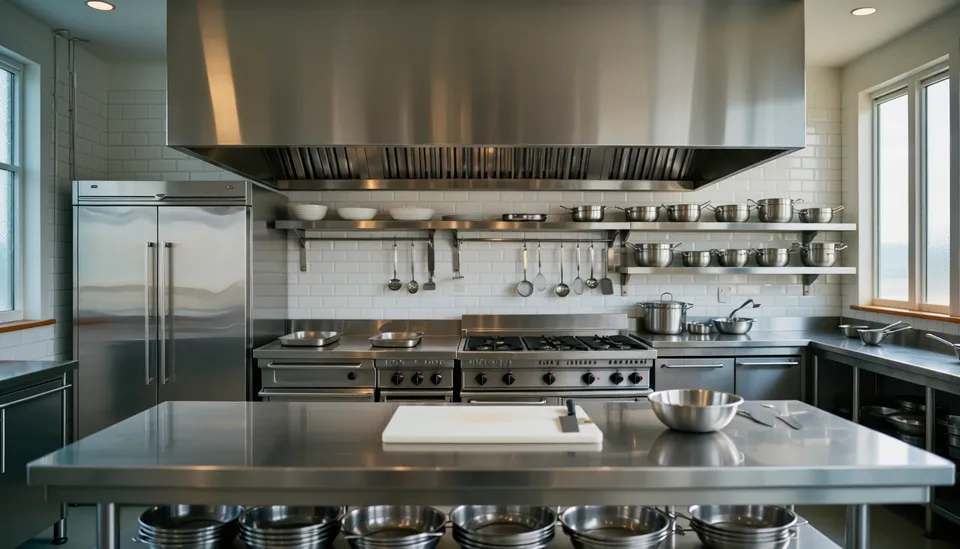
- Hood canopy & baffle filters: scraped and hot-washed, with the filters pulled and soaked in degreaser.
- Plenum & access panels: the chamber behind the filters where grease pools. We open it and clean it, never just spray it.
- Vertical & horizontal ductwork: the hidden run between the hood and the fan, where most grease fires start and where humidity-tacky grease hides inland.
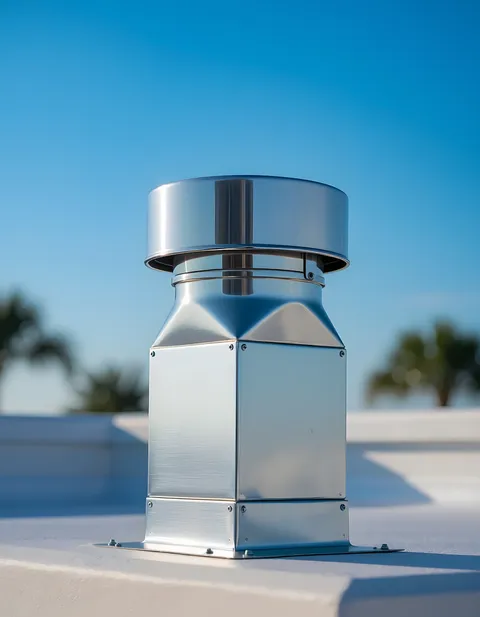
- Rooftop exhaust fan: hinged back, degreased, and checked for belt wear, balance, and proper airflow.
- Rooftop grease containment: grease boxes and pads cleaned or replaced so runoff never reaches your roof membrane.
Our Cleaning Process, Step by Step
- Inspect the full system from hood to fan and measure grease depth against the code thresholds with a grease gauge.
- Cover and protect your cooking equipment, then remove the baffle filters to soak in degreasing solution.
- Scrape and hot-wash the hood canopy interior and underside, working top-down so grease drips out, not onto your line.
- Open the plenum and access panels and clean the ductwork along its full length.
- Hinge open the rooftop fan, degrease the housing and blades, and check the belt, balance, and airflow.
- Clean or replace rooftop grease containment, then reinstall the filters and wipe down the exterior.
- Document the work and apply a dated compliance service sticker for your inspector.
Serving Lakewood Park's Roadside Kitchens
Lakewood Park is a family-oriented residential community, so its commercial kitchens are neighborhood and highway-front operators rather than a dense restaurant row. We clean hoods for the kitchens that serve north St. Lucie County:
- Kings Highway corridor: takeout, pizza, and roadside operators along the main north-south route
- Emerson Avenue: neighborhood kitchens near Lakewood Park Regional Park
- Indrio Road (CR 614): diners and casual eateries at the area's east-west spine
- US-1 north of Fort Pierce: convenience-store kitchens and gas-station delis
Solid-fuel or high-grease takeout operations among these casual eateries carry the highest fire risk and the shortest cleaning intervals, so out here your menu type matters more than your location.
How Often Your Kitchen Should Be Cleaned
The fire code sets your cleaning frequency by how hard you cook, and the St. Lucie County Fire District can require more based on what an inspection finds:
- Monthly: solid-fuel cooking (wood, charcoal) and high-volume wok lines
- Quarterly: high-volume frying, grilling, and 24-hour kitchens
- Semi-annually: moderate-volume sit-down restaurants
- Annually: low-volume kitchens like churches, day cares, and seasonal venues
What You Get After Every Visit
- A bare-metal clean: verified deep at the access panels, where grease hides.
- A written report with photos: before-and-after proof for your records and your insurer.
- A dated compliance sticker: the tag the fire district's inspector looks for, signed and dated.
Kitchen exhaust systems are behind roughly a third of all restaurant fires. Nearly all of them are preventable with regular cleaning. Most code-compliant cleanings start around a $400 to $600 minimum and scale with the size of your system, how heavy the grease load is, and how easy the fan is to reach. Request a free quote and we will give you a clear breakdown and a cleaning schedule built around the grease and humidity here in Lakewood Park.
Request a Free Quote