


Food Truck Hood Cleaning in Port St. Lucie, FL
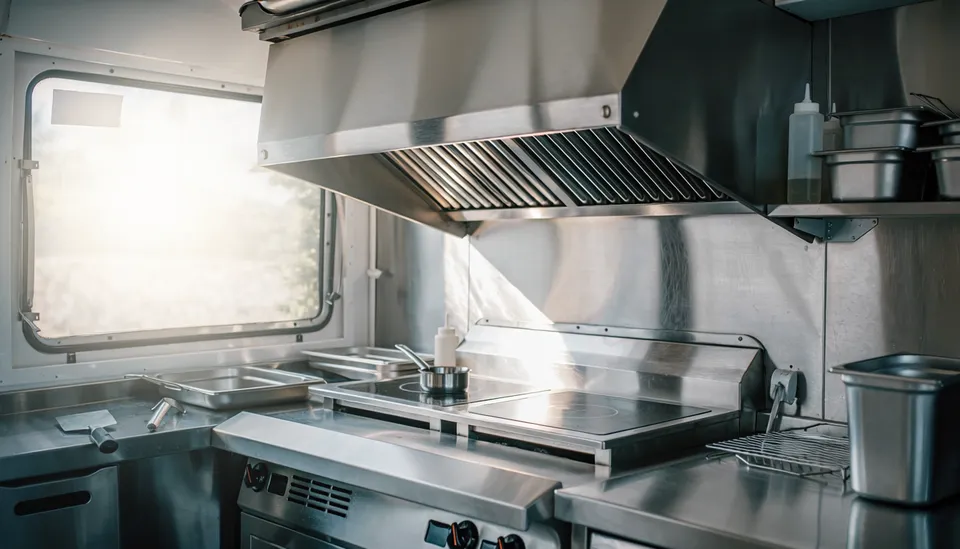
A food truck packs a full commercial kitchen into a few feet of stainless steel. The grease that vapors off your flat-top has nowhere to go but up through a short hood and a tight duct run. The system is compact and you cook hard through every shift, so it loads with grease fast and gives a flash fire very little room in a space you can't walk out of. The fire marshal knows this, which is why your mobile unit meets the same national fire code as any brick-and-mortar restaurant. St Lucie Hood Cleaning brings that full down-to-the-metal cleaning to mobile vendors and food trucks across Port St. Lucie and St. Lucie County. We do it fast, because every closed hour is lost revenue.
Yes, Food Trucks Have to Meet NFPA 96 Too
Many operators assume a mobile kitchen is exempt from the rules a sit-down restaurant follows. It isn't. NFPA 96, the national fire-safety standard for commercial cooking exhaust, applies to the grease-bearing exhaust on your truck the same way it does to a fixed hood. The system has to be cleaned down to bare metal, on a frequency set by how you cook, and documented for inspection:
- Bare-metal cleaning: every accessible surface in the hood, filters, and duct scraped and hot-washed to the metal, not wiped to look clean.
- A frequency tier set by your menu: high-grease, high-volume mobile cooking pushes you toward the more frequent end, not the annual minimum.
- Documentation on file: a dated service sticker, before-and-after photos, and a written report the inspector can verify.
How Often a Mobile Kitchen Needs It
The code sets your cleaning interval by how hard you cook, not by where the kitchen sits. Most trucks live at the busier end of this scale because of the menus that travel well: burgers, fried food, tacos off a flat-top.
- Monthly. Solid-fuel cooking (wood, charcoal) and high-volume griddle and wok work.
- Quarterly. High-volume frying and grilling, the bracket most busy trucks fall into.
- Semi-annually. Moderate-volume menus and lighter cooking.
- Annually. Low-volume or seasonal vendors who fire up occasionally.
Clean sooner than the schedule if you notice the early warning signs: visible grease around the hood lip, an exhaust fan that's gotten louder, more heat staying in the truck, or a rancid smell on start-up. Those are the system telling you it's at the grease-depth trigger early.
Built Around Your Schedule, Not Ours
A mobile system is smaller than a full restaurant exhaust, so the work goes faster. That's the upside of a compact unit. We plan the visit around your route and your prep window so the truck is back in service with minimal downtime. Here's the order of work:
- Assess the hood, filters, duct, and fan and measure grease depth against the code's depth thresholds.
- Pull and soak the baffle filters in degreasing solution.
- Scrape and hot-wash the hood canopy and accessible duct down to bare metal.
- Degrease the exhaust fan housing and blades.
- Reinstall the filters, wipe down the exterior, and affix a dated service sticker.
- Hand you before-and-after photos and a written report for your file.
Cooking Across St. Lucie County
Food trucks here run a circuit: Tradition food-truck nights, brewery lots along the U.S.-1 corridor, festivals and waterfront events from Port St. Lucie out toward Fort Pierce. That mobility is exactly why documentation matters. When you pull into a new event and the question of compliance comes up, the dated sticker on your hood and the report in your glovebox answer it on the spot. Our humid summers and 50-plus inches of rain a year keep grease tacky and speed buildup, so your truck often needs service a notch more often than the bare minimum.
Smaller systems sit at the lower end of the cleaning range. A code-compliant cleaning starts around a $400 to $600 minimum and scales with system size, grease load, and access. We quote per unit so you know the number before we start. If your operation has both a truck and a fixed location, we also handle full commercial kitchen hood cleaning for the brick-and-mortar side. Request a free quote and we'll build a cleaning schedule around how and where you actually cook.
Request a Free Quote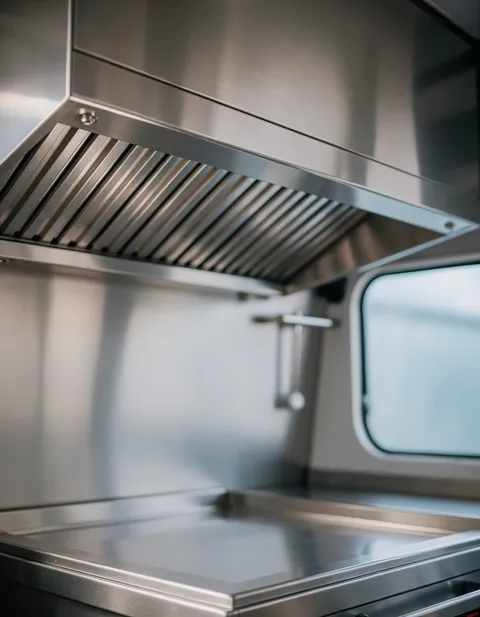

Food Truck Hood Cleaning Questions, Answered
Yes. The national fire-safety standard for commercial cooking exhaust covers any grease-bearing hood and duct, mobile or fixed. Your truck has to be cleaned to bare metal on a frequency set by how you cook, with documentation an inspector can verify. The rules don't get smaller because the kitchen has wheels.
It's set by your cooking volume, not the calendar. Most busy trucks running burgers, fried food, or a hard-working flat-top land in the quarterly bracket, while solid-fuel or very high-volume griddle work pushes monthly and lighter seasonal vendors may go semi-annually. Our humid Treasure Coast climate keeps grease tacky, so plan for the busier end of that range.
A mobile system is far smaller than a restaurant exhaust, so the cleaning is fast, usually a couple of hours rather than half a day. We schedule around your route and prep window, often before service or on an off day, so you're back to serving with minimal downtime. Every closed hour is lost revenue, and we plan the visit to protect it.
The full grease path your inspector cares about. We assess and measure grease depth, soak the baffle filters, scrape and hot-wash the hood canopy and accessible duct to bare metal, and degrease the exhaust fan housing and blades. You leave with a dated service sticker on the hood plus before-and-after photos and a written report for your file. It is not a quick wipe-down. It's the documented cleaning a fire marshal expects.
Smaller systems sit at the lower end of the range. Most NFPA 96 cleanings start around a $400 to $600 minimum and scale with system size, grease load, and access. We quote per unit so you know the number before we start. If you run both a truck and a fixed kitchen, we'll price them together.
Yes. We serve mobile vendors across Port St. Lucie, Fort Pierce, and the wider St. Lucie County circuit, from Tradition food-truck nights to brewery lots and waterfront events. Trucks move between venues, so the dated sticker and report we leave answer any compliance question on the spot when you pull into a new event. Request a free quote and we'll build a schedule around where you actually park and cook.