


Fast Food Drive-Thru Hood & Exhaust Fan Cleaning
A drive-thru line runs its fryers and grills hard for most of the day. It builds grease fast, so it needs frequent hood and exhaust cleaning, usually quarterly under the national fire code and monthly for the busiest 24-hour locations. These kitchens cannot stop serving, so the work happens overnight or in your off-hours. This page covers how often quick-service kitchens need service, why the rooftop exhaust fan matters as much as the hood, and how off-hours cleaning keeps your line running.
How Often Quick-Service Kitchens Need Cleaning
NFPA 96 sets cleaning intervals by cooking volume. Fast-food kitchens run high-grease and high-output, often around the clock, so they sit in the more frequent tiers:
- Quarterly: the baseline for high-volume frying and grilling and 24-hour kitchens. A steady drive-thru with continuous fryer use lands here at minimum.
- Monthly: for the heaviest high-grease and 24/7 operations, or where an inspection finds grease hitting the trigger faster. The fire marshal can require this tier based on what they measure.
These are national minimums. Port St. Lucie's humidity and heavy summer rain keep grease tacky and slow to dry, so it builds faster than the calendar minimum assumes. A measured schedule serves most local fast-food kitchens better than a flat quarterly date. The surest way to set the interval is to have a certified technician measure your actual grease depth against the code thresholds. That is where our commercial kitchen hood cleaning begins.
Why the Exhaust Fan Matters as Much as the Hood
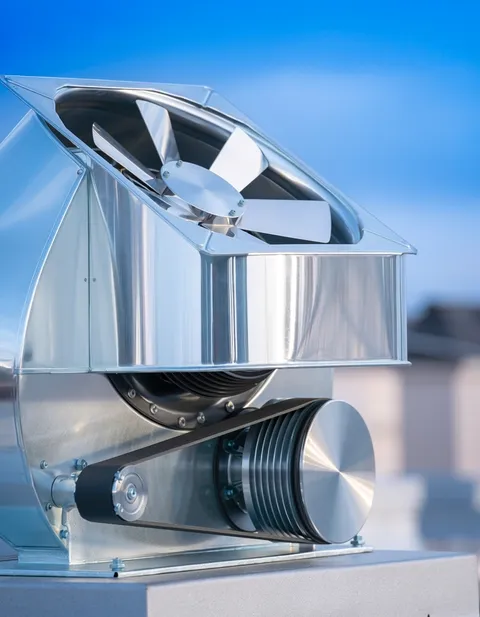
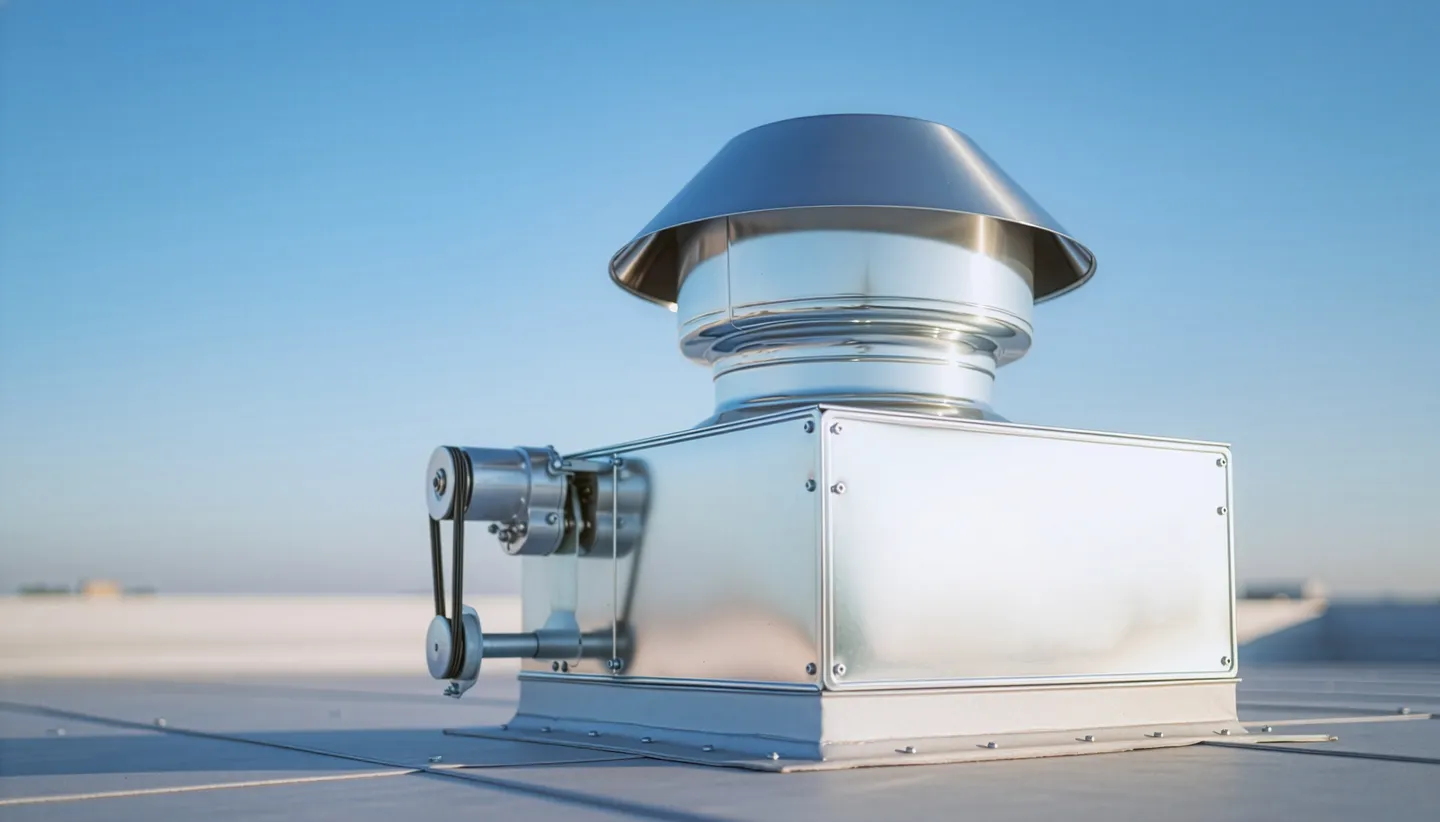
On a drive-thru line that fries all day, the rooftop upblast exhaust fan works constantly. A neglected fan causes problems you feel on the line:
- Grease-loaded blades lose balance: caked grease throws the fan out of balance, so it vibrates, wears bearings, and starts rattling. The noise is the symptom. The imbalance is the damage.
- Airflow drops: a grease-clogged fan and ducts move less air. That traps heat and smoke in the kitchen, raises energy bills, and shortens equipment life.
- Access is required by code: NFPA 96 §8.1.6.3 requires the fan be cleanable, via a hinge kit with a hold-open retainer or a minimum 3-inch by 5-inch (or 4-inch diameter) access opening. Fans without it cannot be cleaned to code, and inspectors look for the hinge kit.
A complete cleaning hot-washes the fan blades and housing, checks belt tension, and cleans the rooftop grease path the fan discharges onto. On the Treasure Coast, salt air off the Indian River Lagoon corrodes fan housings and hardware faster than inland, so the rooftop end of a quick-service system earns a closer look than grease removal alone.
Off-Hours Cleaning So You Keep Serving
For a 24-hour or all-day drive-thru, downtime is lost revenue. We schedule the cleaning around your service, overnight or during your slowest window. A full bare-metal cleaning of a fryer line covers, in sequence:
- Protect and assess: we cover the fryers and cook line, then measure grease depth from the hood canopy to the fan against the code thresholds.
- Hood, filters, and plenum: baffle filters soaked in degreasing solution, then canopy and plenum scraped and hot-washed to bare metal.
- Ductwork: access panels opened so horizontal and vertical runs are cleaned to bare metal, then each opened panel restored and tagged.
- Exhaust fan and rooftop: fan blades and housing hot-washed, belt tension checked, rooftop grease path cleaned.
- Document it: a dated service sticker on the hood plus before and after photos and a written report for your compliance file.
Why it pays to stay on schedule: per the NFPA, grease buildup in kitchen exhaust is behind nearly one in three restaurant fires, and a high-output fryer line builds that fuel fastest. St. Lucie County's single countywide fire district expects a dated cleaning certificate posted on your hood, so a consistent off-hours schedule keeps you safe and inspection-ready. A complete code-compliant cleaning starts around a $400 to $600 minimum and scales with system size, grease load, and access. Get in touch for a free assessment. We will measure your grease depth and build a schedule that fits your hours.
More Hood Cleaning Guides
- Wood-Burning & Charcoal Oven Hood Cleaning Requirements
- Church Kitchen Hood Cleaning & Compliance | St. Lucie County
- Country Club & Golf Resort Kitchen Hood Cleaning | Treasure Coast
- All hood cleaning resources