


Roof Damage from Restaurant Grease: How to Prevent It
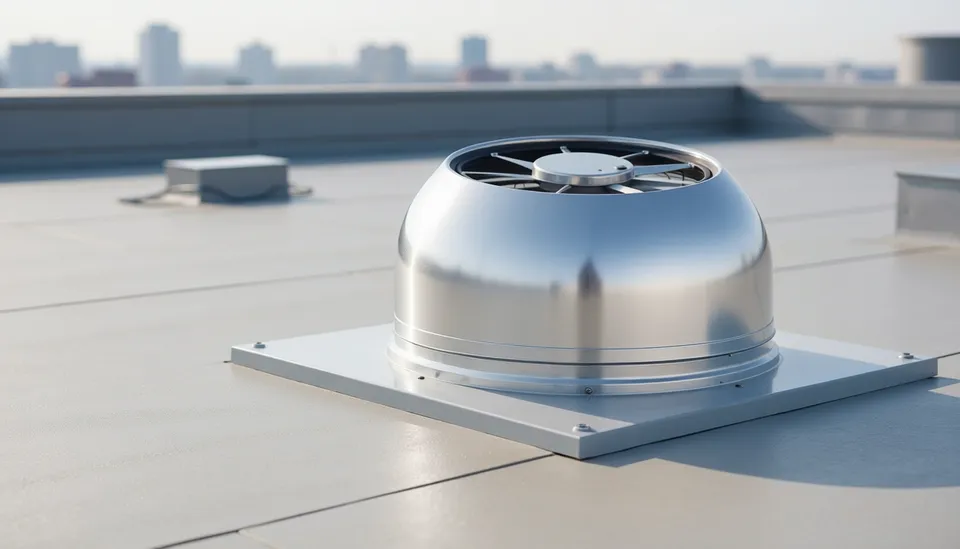
If you own or manage a building with a restaurant tenant, the rooftop exhaust fan is quietly one of your biggest maintenance liabilities. Every day that kitchen runs, the upblast fan discharges grease-laden air, and without containment that grease lands on your roof membrane. Over time it breaks down the membrane, voids the roofing warranty, creates a slip hazard, and triggers a fire-code violation. The damage is gradual and easy to miss until a leak or a failed inspection forces the issue. It is also almost entirely preventable. Here is how grease damages a roof and what keeps it off your membrane.
How Exhaust Grease Damages a Roof
Rooftop grease does more than stain. It attacks the roof system in several ways at once:
- Membrane breakdown: cooking grease is a petroleum-and-fat mix that chemically degrades single-ply membranes (TPO, EPDM, PVC) and asphalt systems. It softens, swells, and eventually splits the material it pools on.
- Voided warranty: most roofing manufacturers exclude grease and chemical contamination from their warranty. A grease-saturated section can void coverage on the whole roof, leaving the building owner to fund the repair.
- Slip and safety hazard: a grease-slicked roof is dangerous for anyone servicing rooftop equipment, from HVAC techs to the hood cleaners themselves.
- Drainage and ponding problems: congealed grease clogs roof drains and scuppers, so water ponds where it should run off, accelerating membrane failure and leaks.
- Fire-code exposure: grease pooling on the roof around the fan is a fuel load and a code issue, since NFPA 96 calls for rooftop grease containment in the first place.
Why Containment Is Required, Not Optional
NFPA 96, the national fire-safety standard for commercial cooking exhaust, calls for a rooftop grease containment system around the exhaust fan. That is a box, pad, or trap that catches the fan's grease discharge before it reaches your membrane. Beyond satisfying the fire marshal, that barrier is the single most effective thing protecting the roof itself.
Important Note: as the building owner, you are likely on the hook for the roof regardless of the lease. Under NFPA 96 the responsibility for the exhaust system rests with the owner unless it is transferred in writing, and roofing warranties run with the building, not the tenant. Confirm in writing who maintains the fan and containment, so a lapse does not land on you by default.
How to Prevent Roof Damage from Grease
Protecting the roof comes down to keeping grease contained and not letting the system overflow what containment is there:
- Install proper containment: fit a grease-containment box or absorbent pad system around the base of the upblast fan so discharge is captured at the source, not spread across the membrane.
- Service the containment on a schedule: absorbent media saturates and stops working, so replace it before it overflows. A trap left full is the same as no protection at all.
- Keep the exhaust system clean: a clean hood, duct, and fan discharge far less grease onto the roof than a neglected one. Regular NFPA 96 cleaning is upstream prevention for the roof.
- Inspect the roof around the fan: check the membrane near the fan for staining, softening, and ponding during routine roof and fan service, so a small problem is caught early.
- Coordinate fan and roof access: make sure whoever cleans the fan also cleans the rooftop grease path and never washes grease across the membrane or down a drain.
Why It Is Worse on the Treasure Coast
Two local factors raise the stakes here. Long, humid summers and more than 50 inches of rain a year mean grease stays tacky, with plenty of standing water to carry it across the membrane and into drains. Atlantic hurricane season turns a grease-laden roof into a real liability. Wind-driven rain spreads contamination, and any roof weakened by grease is more vulnerable when a storm arrives. A pre-season check of the fan, containment, and surrounding membrane is cheap insurance for a building owner.
The most cost-effective approach is to handle the roof and the exhaust system together. Contain the grease at the fan, keep the system cleaned so it discharges less, and service the containment before it overflows. A full NFPA 96 cleaning includes the rooftop grease path and typically starts around a $400 to $600 minimum, scaling with system size, grease load, and access. If you manage a building with a restaurant tenant and want the roof protected before the next inspection or storm season, get in touch for a free assessment. You can also read how a full commercial kitchen hood cleaning keeps grease off your roof.
More Hood Cleaning Guides
- Best Commercial Kitchen Hood Filters for Heavy Grease
- How to Safely Clean Commercial Hood Filters Yourself
- What Happens During a Professional Commercial Hood Cleaning?
- All hood cleaning resources