


Signs Your Commercial Kitchen Exhaust Fan Belt Needs Replacement
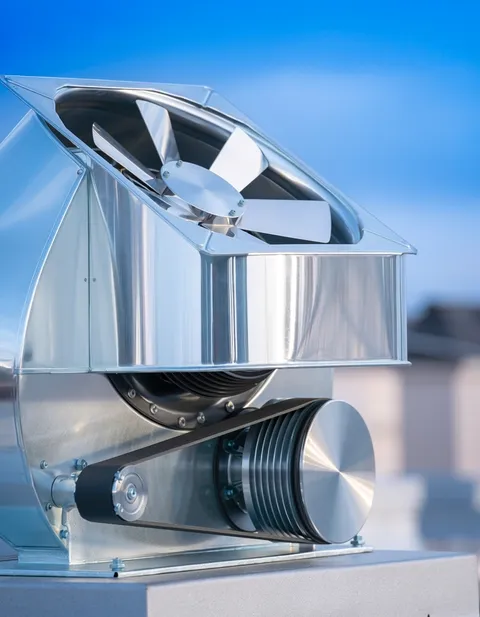
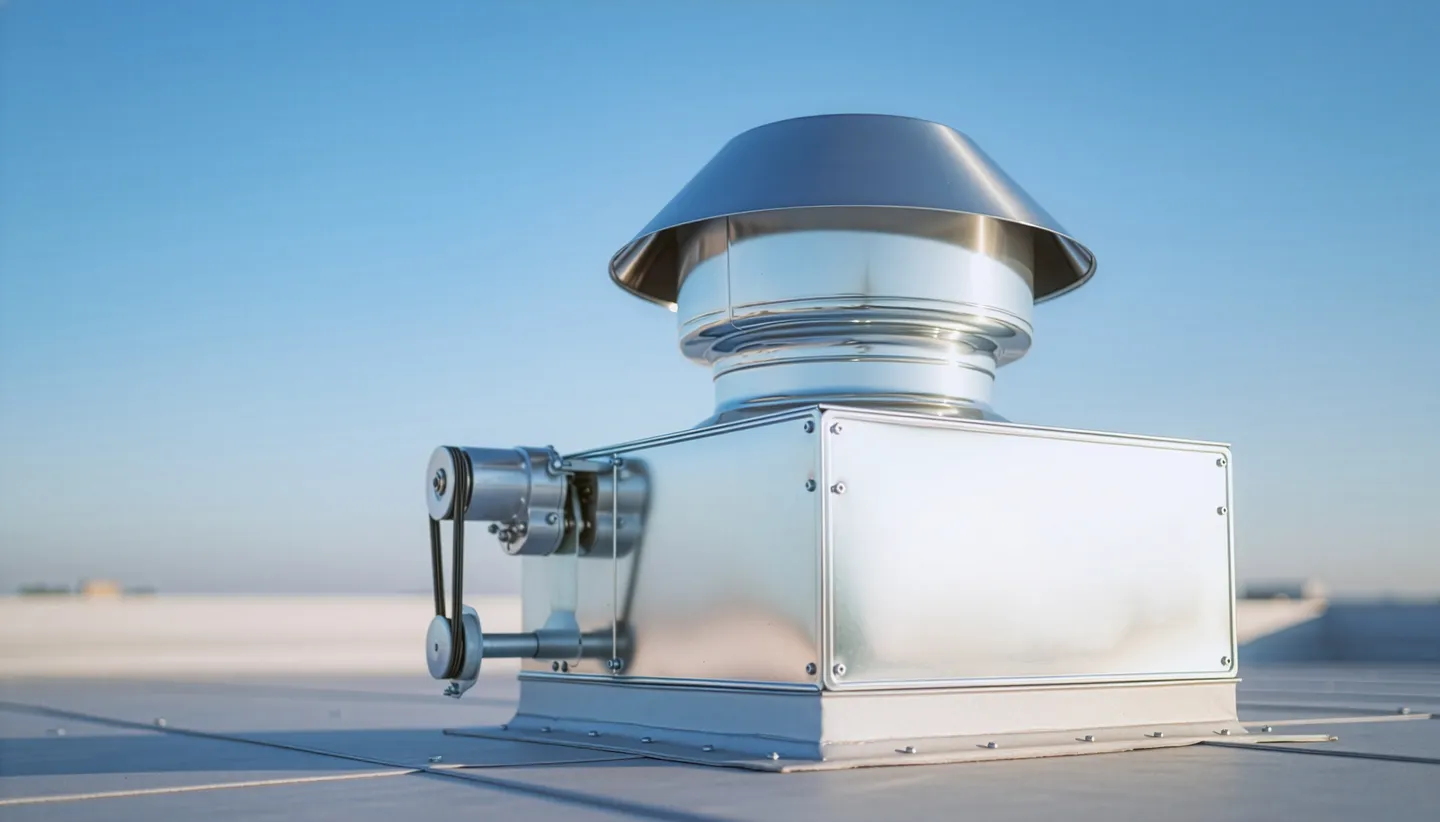
The drive belt is the cheapest part of your rooftop exhaust fan and one of the most important. It is the rubber loop that transfers the motor's power to the fan wheel. When it wears out, the fan spins slower than its rated speed, moves less air, and fails to clear smoke and heat from your kitchen. The belt is a wear item. It stretches, glazes, and cracks over months of running hot, so you check and change it on a schedule. Here are the signs a belt is on its way out, so you can swap a $20 belt before it costs you a smoky kitchen mid-service.
The Warning Signs to Watch and Listen For
A failing belt usually announces itself well before it snaps. Watch for these, roughly in the order they tend to show up:
- A squeal at startup: the classic first sign. A slack or glazed belt slips against the pulley when the fan kicks on, and that slip is the high-pitched squeal you hear from the roof or near the hood.
- Weaker airflow and lingering smoke: a slipping belt lets the fan turn below its rated speed, so it pulls less air. If the kitchen is staying smokier and hotter than usual and the filters are clean, suspect the belt.
- Black belt dust or rubber crumbs: fine black powder or shed rubber around the fan housing and pulleys is the belt grinding itself away. The belt is worn and shedding.
- Visible cracking, glazing, or fraying: flip the fan up and look. Cracks across the belt's ribs, a shiny glazed underside, or frayed edges all mean the belt has hardened and lost its grip.
- A belt that deflects too far: a healthy belt gives only slightly under finger pressure. If you can push it well out of line or it feels loose and floppy, it has stretched past usable tension.
- New vibration or rattling: a loose belt flaps as it runs, adding vibration that sounds like a rattle and puts extra strain on the fan bearings.
How to Check It Safely
Use with Caution: checking a belt means getting on the roof and opening the fan, so lock out the fan power first. Never inspect a belt on a fan that can still start. If you are not set up to work safely at height with the power isolated, have a technician do the check.
- Lock out the fan power at the disconnect.
- Tilt the fan back on its hinge kit, or open the access panel, to reach the belt and pulleys.
- Inspect the belt for cracks, glazing, fraying, and rubber dust.
- Press the belt midway between the pulleys. It should deflect only slightly, not flop.
- Spin the wheel by hand to confirm the pulleys are aligned and turn freely.
Why a Worn Belt Is More Than a Nuisance
It is tempting to ignore a squeal. A slipping belt quietly undermines the whole system:
- Reduced fan speed means reduced airflow, so smoke, heat, and grease-laden air linger in the kitchen instead of being carried out.
- Weaker pull lets more grease settle in the ducts and plenum between cleanings, adding to the fire load.
- A flapping, slipping belt strains the fan bearings, turning a cheap belt fix into a far costlier bearing or motor repair.
- If the belt finally breaks during service, the fan stops entirely and your kitchen fills with smoke until it can be fixed.
Important Note: a belt rarely wears out in isolation. By the time a belt is glazing and slipping, the fan blades and the ducts upstream have loaded with grease too. That hidden duct grease is where most exhaust fires start. A belt change is the right moment to have the whole system looked at.
Catch It on a Schedule, Not by Surprise
The surest fix is not waiting for the squeal at all. We check belt tension and condition as part of every full NFPA 96 cleaning, when a technician is already up at the fan hot-washing the blades and housing. On the Treasure Coast there is extra reason to stay ahead of it. Salt air corrodes pulleys and fan hardware, and humidity keeps grease tacky, so fans work harder and belts wear faster. A pre-hurricane-season fan check is a sensible time to renew a tired belt.
A full cleaning takes the whole grease path to bare metal. That means the hood, plenum, ducts, and rooftop fan. It typically starts around a $400 to $600 minimum, scaling with system size, grease load, and fan access, with belt and fan service handled at the same visit. If your fan is squealing or pulling weak, get in touch for a free assessment and we will check the belt, the bearings, and the rest of the system in one trip. See what a full service covers on our commercial kitchen hood cleaning page.
More Hood Cleaning Guides
- Roof Damage from Restaurant Grease: How to Prevent It
- Best Commercial Kitchen Hood Filters for Heavy Grease
- How to Safely Clean Commercial Hood Filters Yourself
- All hood cleaning resources